What Toxins Affect the Pineal Gland?

Your body contains a tiny miracle the size of a rice grain.
Tucked deep within your brain sits the pineal gland… ancient mystics called it the third eye, while Descartes named it the seat of the soul. Modern neuroscience reveals it orchestrates your sleep-wake cycle, produces melatonin, and helps regulate nearly every hormone in your body.
But here's what most people never learn: this vital gland has a unique vulnerability that makes it a magnet for certain toxins.
What Toxins Affect the Pineal Gland?

The pineal gland is affected by five primary categories of toxins: fluoride, heavy metals such as aluminum and mercury, pesticides like glyphosate, endocrine-disrupting chemicals including BPA and nonylphenol, and dietary or lifestyle factors that amplify toxic damage.
These substances contribute to pineal calcification, reduced melatonin production, and disrupted circadian regulation.
Understanding what threatens this gland is the first step toward protecting it.
The Five Primary Pineal Toxins
Fluoride
Fluoride accumulates in the pineal gland at high concentrations due to its affinity for calcium. When fluoride binds with calcium, it promotes calcification of pineal tissue, reducing blood flow and impairing melatonin secretion.
You encounter it daily through tap water, toothpaste, and foods prepared with fluoridated water. Most people consume it without a second thought, unaware of where it accumulates.
Aluminum
Aluminum concentrates in the pineal gland at levels higher than many other brain regions. It disrupts enzymes involved in hormone metabolism and increases oxidative stress.
Aluminum exposure occurs through cookware, antiperspirants, food additives, medications, and contaminated water. It's nearly impossible to avoid completely in modern life, but you can dramatically reduce your exposure.
Mercury and Cadmium
Mercury and cadmium are neurotoxic heavy metals that accumulate in pineal tissue over time. They damage cellular membranes, impair antioxidant defenses, and interfere with mitochondrial function.
Sources include certain fish, cigarette smoke, industrial pollution, and environmental contamination. These metals accumulate silently over years.
Glyphosate
Glyphosate is a widely used herbicide that acts synergistically with aluminum. It chelates aluminum, meaning it binds to the metal and facilitates its transport into brain tissue. This combination increases oxidative stress, disrupts sulfate synthesis, and creates cellular hypoxia within the pineal gland.
You'll find glyphosate residues in conventional grains, bread, cereals, and countless processed foods. It's sprayed on wheat right before harvest, which means it's in products most people eat daily.
BPA and Nonylphenol
Bisphenol A (BPA) and nonylphenol are endocrine-disrupting chemicals found in plastics, food packaging, and household products. They mimic or interfere with hormone signaling, confusing the pineal gland's timing cues and disrupting normal melatonin production cycles.
Even products labeled "BPA-free" often contain chemical cousins that behave similarly. The plastic problem runs deeper than most people realize.
Why the Pineal Gland Is Especially Vulnerable
Unlike most brain tissue, the pineal gland has an incomplete blood-brain barrier. This allows it to sense changes in the bloodstream for hormonal regulation, but it also permits toxins to accumulate more easily.
High blood flow combined with mineral attraction makes the pineal gland a primary site for calcification and toxic buildup.
Think of it like a sponge in a stream. The gland's openness to bloodstream signals means it also catches whatever flows past, including substances that don't belong there.
Over time, these deposits harden gland tissue, reducing its ability to produce and release melatonin efficiently.
What Amplifies Pineal Toxicity
Diet and lifestyle choices influence how severely toxins affect the pineal gland.
High sugar intake increases inflammation and weakens detox pathways. Ultra-processed foods raise exposure to aluminum, glyphosate residues, and packaging chemicals. Chronic stress elevates cortisol, which directly suppresses melatonin production.
Artificial light exposure at night, especially blue light from screens and LED lighting, further disrupts pineal signaling by confusing natural light-dark cues. Your gland evolved to respond to natural sunrise and sunset, not the artificial glow of devices.
These factors don't cause calcification directly, but they create conditions where toxins do far more damage.
Supporting Your Pineal Gland Naturally
While reducing toxin exposure is essential, many people seek additional support for pineal health and spiritual awakening.
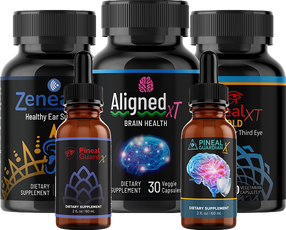
Pineal XT Gold combines ancient botanical wisdom with modern understanding of pineal function.

Formulated with ingredients traditionally used to support the third eye and enhance spiritual awareness, it's designed for those interested in both the physical health and consciousness-expanding potential of a well-functioning pineal gland.
The formula includes pineal-supportive compounds that work synergistically to address the very concerns discussed in this article, supporting the gland's natural function in an increasingly toxic world.
The Path Forward
Pineal calcification and dysfunction develop gradually through repeated low-level exposure rather than sudden damage. Fluoride, heavy metals, glyphosate, endocrine disruptors, and inflammatory lifestyle factors work together to impair melatonin production and circadian rhythm over time.
The good news? Your pineal gland has remarkable regenerative capacity when you reduce the toxic burden.
Reducing daily toxin exposure and supporting natural biological rhythms helps preserve pineal function, sleep quality, and long-term brain health.
Small, consistent changes in water quality, food choices, and lifestyle habits create meaningful protection for this vital organ.
Your sleep depends on it.
Your hormones depend on it.
And perhaps something deeper (the consciousness ancient traditions spoke of) depends on it too.