5 Powerful Herbs for Memory

Your memory deserves better than fear and forgetfulness.
Whether you're noticing occasional mental fog or want to stay sharp as you age, certain herbs offer genuine support for brain health. Not overnight miracles, but compounds that work with your brain's natural systems.
Let me share five herbs backed by research.
1. Bacopa Monnieri: The Neural Communicator
Bacopa has been used in Ayurvedic medicine for thousands of years, primarily for memory enhancement.
This herb works by supporting communication between neurons through compounds called bacosides. Think of it as helping your brain cells talk more efficiently to each other.
Research shows Bacopa improves both memory acquisition and retention when taken consistently over 8-12 weeks. The bacosides also protect neurons from oxidative stress, which is crucial since your brain uses about 20% of your body's oxygen.
Standard dosing is 300-450mg daily of standardized extract. Patience matters here, results typically appear after 2-3 months of consistent use.
2. Ginkgo Biloba: The Circulation Enhancer
Ginkgo has survived over 200 million years as a species. That resilience translates to powerful brain benefits.
This herb primarily works by improving blood flow to your brain. Better circulation means more oxygen and nutrients reaching your neurons when they need it most.
Studies show Ginkgo helps with both memory and cognitive speed, particularly beneficial for age-related concerns. The flavonoids and terpenoids in Ginkgo also shield neurons from oxidative damage.
Look for extracts standardized to 24% flavone glycosides and 6% terpene lactones. Typical dosing is 120-240mg daily, split into two doses.
3. Rosemary: The Focus Protector
I personally use rosemary to boost my focus during intensive work. There's something remarkable about how its compounds sharpen mental clarity.
Shakespeare wrote "rosemary for remembrance" in Hamlet, and research confirms why. Studies show even rosemary aroma can enhance memory performance and alertness.
The active compounds, carnosic acid and rosmarinic acid, protect brain cells and reduce inflammation. Importantly, rosemary helps maintain acetylcholine levels, a neurotransmitter crucial for memory and learning.
You can use fresh rosemary in cooking, brew it as tea, or take 750-1500mg of extract daily. Essential oil diffusion also works for aromatherapy benefits.
4. Lion's Mane Mushroom: The Growth Factor
Lion's Mane contains hericenones and erinacines that stimulate nerve growth factor (NGF) production. NGF is essential for neuron growth, maintenance, and survival.
As we age, NGF production naturally declines, contributing to cognitive aging. Lion's Mane helps counteract this decline.
Research shows older adults taking Lion's Mane for 16 weeks demonstrated improvements in cognitive function scores. What's exciting is its support for neuroplasticity, your brain's ability to form new connections and adapt.
Clinical studies use 500-3000mg daily of mushroom powder or extract. Take it with food for better absorption.
5. Gotu Kola: The Connection Builder
Gotu kola has been called "the herb of enlightenment" in traditional medicine, used by scholars to enhance memory and mental clarity.
Research shows Gotu kola strengthens connections between neurons and improves brain tissue integrity. The triterpenoids support the myelin sheath that insulates nerve fibers, leading to faster neural communication.
It also reduces anxiety, which indirectly benefits memory. When you're anxious, your hippocampus doesn't encode memories efficiently.
Typical dosing is 500-1000mg daily, divided into two doses. Tea is also a traditional and effective preparation method.
The Complete Approach
These five herbs work through different mechanisms: Bacopa enhances communication, Ginkgo improves circulation, Rosemary protects acetylcholine, Lion's Mane supports growth, and Gotu kola strengthens connections.
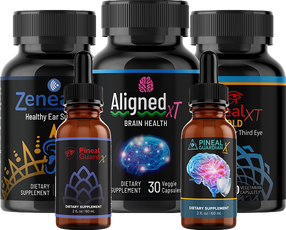
Comprehensive brain health formulas like Pineal Guardian X combine several of these herbs with additional compounds that support the pineal gland's natural melatonin production. Melatonin isn't just for sleep, it's also a powerful neuroprotector that reduces brain inflammation and supports memory formation.

Quality matters tremendously. Choose standardized extracts from manufacturers who provide third-party testing.
Be consistent and patient. These herbs build their effects over weeks and months, supporting fundamental brain health rather than providing temporary stimulation.
Remember, herbs work best alongside healthy lifestyle choices: regular exercise, quality sleep, stress management, and ongoing mental challenges.
Your memory is worth protecting. These five herbs offer research-supported ways to maintain cognitive vitality for years to come.