9 Ways to Boost Your Melatonin Naturally

Your body knows how to sleep. It's been doing it since you were born.
But somewhere between late-night Netflix binges, endless scrolling, and that 3 PM coffee, your natural sleep rhythm got disrupted. The culprit? Low melatonin. Your body's master sleep hormone that tells every cell when it's time to rest.
Here's the good news: you don't need expensive pills or complicated protocols. Your melatonin production responds to simple, natural triggers you can activate starting today.
Let's explore nine evidence-based ways to supercharge your body's melatonin factory.

1. Chase the Morning Sun
Your melatonin story actually begins when you wake up, not when you sleep.
Getting 10-20 minutes of bright natural light within an hour of waking resets your circadian clock. This morning light exposure suppresses daytime melatonin, creating a clear signal that primes your body to release it powerfully at night.

Research published in the Journal of Biological Rhythms shows morning light advances your melatonin rhythm by several hours. Translation? You'll feel naturally sleepy at an appropriate bedtime instead of wired at midnight.
Step outside for your morning coffee. Take a walk before breakfast. Even sitting near a bright window counts.
2. Declare ‘War’ on Blue Light
Your phone is a melatonin assassin.
Blue light wavelengths between 460-480 nanometers trick your brain into thinking it's noon, suppressing melatonin production by up to 50%. Studies from Harvard Medical School confirm that evening blue light exposure delays your sleep phase by up to three hours.
Start dimming screens two hours before bed. Use blue light blocking glasses if you must use devices. Better yet, swap scrolling for reading an actual book or gentle conversation.
Your ancestors didn't stare at glowing rectangles before sleep. Neither should you.
3. Embrace Complete Darkness
Your skin has photoreceptors. Even small amounts of light during sleep can disrupt melatonin.
Melatonin levels peak between 2-4 AM in complete darkness. A 2011 study in the Journal of Clinical Endocrinology found that even dim light exposure during sleep lowered melatonin by 50% and shortened sleep duration.
Invest in blackout curtains. Cover LED lights on electronics. Remove that phone charger glow. Turn your bedroom into a cave.
The darker your room, the deeper your sleep.
4. Feed Your Melatonin
Certain foods contain melatonin or the building blocks your body needs to make it.
Tart Montmorency cherries are melatonin superstars, providing up to 13.5 nanograms per gram. A 2012 study in the European Journal of Nutrition showed that drinking tart cherry juice increased melatonin levels and improved sleep duration by 84 minutes.

Walnuts contain melatonin plus omega-3 fatty acids that enhance its production. Eggs provide tryptophan, the amino acid precursor to serotonin and then melatonin. Fatty fish like salmon offer both tryptophan and vitamin D, which regulates melatonin synthesis.
Create an evening snack ritual: a small handful of walnuts with tart cherry juice two hours before bed.
5. Load Up on Tryptophan
Melatonin doesn't appear from nowhere. It follows a chemical pathway: tryptophan → serotonin → melatonin.
Turkey, chicken, eggs, and pumpkin seeds are tryptophan-rich foods that feed this cascade. Bananas provide both tryptophan and vitamin B6, which converts tryptophan into serotonin.
But here's the trick: combine tryptophan foods with complex carbohydrates. Carbs help tryptophan cross the blood-brain barrier more efficiently.
Try whole grain toast with almond butter, or oatmeal with banana and walnuts as an evening snack.
6. Mind Your Magnesium
Magnesium is melatonin's silent partner.
This mineral activates the parasympathetic nervous system, signaling relaxation and sleep readiness. Research in the Journal of Research in Medical Sciences found that magnesium supplementation increased melatonin levels and improved sleep quality in elderly subjects.
Dark leafy greens, pumpkin seeds, almonds, and dark chocolate (yes, chocolate) are magnesium-rich. Bananas and avocados also contribute.
About 75% of Americans are magnesium deficient. Could this be sabotaging your sleep?
7. Time Your Exercise Right
Movement matters, but timing is everything.
Morning or afternoon exercise boosts nighttime melatonin production. But vigorous exercise within three hours of bedtime can suppress melatonin and elevate cortisol, making sleep elusive.
A 2019 study in Sports Medicine showed that consistent morning exercise advanced melatonin onset by up to two hours. Your body interprets morning movement as a daytime activity signal, strengthening the day-night contrast.
Move early, sleep deeply.
8. Calm Your Cortisol
Stress hormones and sleep hormones wage war inside you.
When cortisol stays elevated at night, it blocks melatonin receptors and prevents the natural evening rise. Chronic stress creates a vicious cycle: poor sleep raises cortisol, which further disrupts melatonin.
Meditation, deep breathing, journaling, or a warm bath activates your parasympathetic nervous system and lowers cortisol. Research from Northwestern University shows that mindfulness practices increase melatonin by reducing stress response activation.
Even ten minutes of evening relaxation practices make a measurable difference.
9. Avoid Evening Saboteurs
Some habits directly hijack your melatonin production.
Caffeine has a 5-6 hour half-life, meaning your 3 PM coffee is still affecting your system at 9 PM. Studies show caffeine reduces melatonin levels by up to 50% when consumed six hours before bed.
Alcohol might make you drowsy initially, but it suppresses REM sleep and reduces melatonin production by 15-19%. A 2013 study in Alcoholism: Clinical & Experimental Research confirmed alcohol's disruptive effects on circadian rhythm hormones.
Heavy meals late at night spike blood sugar and insulin, which interfere with melatonin synthesis. Refined carbs and sugar are particularly problematic.
Set a personal curfew: no caffeine after 2 PM, no alcohol within four hours of bed, no heavy meals within three hours of sleep.
Your Melatonin Optimization Blueprint
Here's what actually works: light drives everything.
Get bright light early, eliminate light exposure late. This single pattern regulates 80% of your melatonin rhythm.
Layer in melatonin-supporting foods, stress management, and consistent sleep-wake times. Your circadian system craves predictability.
Think of melatonin as a biological tide that rises and falls with remarkable precision when you give it the right signals.
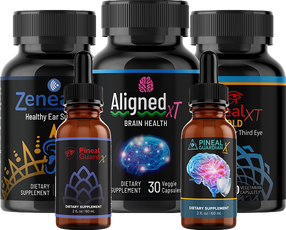
For those seeking additional support, Pineal Guardian X combines targeted botanicals and nutrients that work synergistically with your body's natural melatonin pathways. Sometimes nutritional gaps need strategic filling.

Your body wants to sleep well. It's designed for it.
You just need to remember the ancient rhythm: light when it's light, dark when it's dark, and give your biology the raw materials it needs.
Start with one change tonight. Your melatonin levels will respond within days.
And finally, that deep, restorative sleep you've been chasing? It's not some distant fantasy.
It's just nine natural strategies away.