Can Vitamins Boost Memory?

Can Vitamins Boost Memory?
Your brain consumes about 20% of your body's energy despite weighing only 3 pounds. It makes sense that proper nutrition matters for mental sharpness.
Yes, certain vitamins and nutrients can help boost memory and support cognitive function. The evidence is particularly strong for older adults or those with existing deficiencies.
Daily multivitamins, along with specific nutrients like B12, vitamin D, E, and Omega-3 fatty acids, are linked to improved memory, reduced cognitive decline, and better brain health. The most significant benefits are often seen in older adults, notes the National Institutes of Health.
The Science Behind Vitamins and Memory
Think of vitamins as essential workers in your brain's factory. Without enough workers, production slows down.
Clinical trials show the strongest memory benefits come from B vitamins and multivitamins, especially for people over 60. The effect isn't dramatic overnight, but gradual improvement over months.
A landmark study called COSMOS tracked thousands of older adults for three years. Those taking daily multivitamins showed measurably better episodic memory compared to placebo groups.
Episodic memory is your ability to recall specific events. Where you parked your car, what you ate for breakfast, conversations with friends.
B Vitamins: The Memory Protection Trio
Vitamin B12, B6, and folate work together like a specialized team maintaining your brain's infrastructure. These vitamins are crucial for brain function.
They help lower homocysteine levels, which can damage brain blood vessels when elevated. Think of homocysteine as rust in your brain's pipes.
Deficiencies in these B vitamins become increasingly common with age. They're directly linked to brain fog and memory issues that many people dismiss as normal aging.
Studies using 400 micrograms of folic acid daily demonstrated improved memory recall in healthy adults. The results were even more pronounced in people with mild cognitive impairment.
B12 deserves special attention. Your body needs it to produce myelin, the protective coating around nerve fibers.
Older adults often struggle absorbing B12 from food due to decreased stomach acid. This makes supplementation particularly relevant after age 60.

Research published in the American Journal of Clinical Nutrition found B vitamin combinations improved cognitive scores more effectively than single vitamins alone. The synergy matters.
Multivitamins: Slowing Cognitive Aging
The COSMOS trials revealed something unexpected about multivitamins. Daily use didn't just prevent decline, it actually enhanced memory performance.
A daily multivitamin has been shown to potentially slow down cognitive aging. Participants showed improvements in global cognition and executive function.
These are the skills you use to plan, organize, and make decisions. The everyday mental tasks that keep you independent.
A standard daily multivitamin dose proved sufficient. Higher doses didn't produce better results.
The benefit appeared most significant in people with cardiovascular disease, suggesting brain health and heart health connect more intimately than previously understood.
Vitamin D: The Neuroprotection Nutrient
Your brain has vitamin D receptors scattered throughout memory centers. This hints at its importance for cognitive function.
Vitamin D is essential for neuroprotection and is linked to better cognitive function. Higher vitamin D intake correlates with improved verbal fluency and visual memory in observational studies.
One study tracking older adults found those with sufficient vitamin D maintained better memory performance than deficient individuals. The difference became more apparent with age.
People with adequate levels tend to experience less cognitive decline over time. Dietary sources and sensible sun exposure often provide enough vitamin D.
Supplementation makes sense if blood tests reveal deficiency, which is surprisingly common in older adults.
Vitamin E: The Antioxidant Protector
Vitamin E acts as an antioxidant that protects brain cells from oxidative damage. It may slow cognitive decline in certain populations.
Some trials show improvements in learning and executive function with vitamin E. The protective effect seems most relevant for people already experiencing mild cognitive changes.
However, results vary. Not every study shows consistent benefits for preventing memory decline.
High doses carry risks. Studies using 2000 IU daily raised safety concerns about increased mortality in certain populations.
Moderate amounts from food sources like nuts, seeds, and leafy greens appear safer than megadose supplements. Aim for dietary vitamin E first.
Omega-3 Fatty Acids: Brain Building Blocks
Found in fish like salmon and sardines, Omega-3s help reduce inflammation and are vital for memory and learning. Your brain is about 60% fat, and it needs the right types.
DHA and EPA, the two main Omega-3s, maintain cell membrane flexibility in brain cells. This affects how well neurons communicate with each other.
Research shows people with higher Omega-3 levels tend to have better memory performance and larger brain volume in areas critical for thinking and memory.
Inflammation quietly damages brain tissue over time. Omega-3s counter this process, protecting neural structures.
If you don't eat fish regularly, consider a quality fish oil supplement. Look for products tested for mercury and other contaminants.
What the Evidence Really Means
Not everyone responds equally to vitamin supplementation. Your baseline matters enormously.
If you're already getting adequate vitamins from diet, adding more may not help. Think of it like watering a plant that's already properly hydrated.
People with deficiencies see the most dramatic improvements. Those with borderline levels often benefit too.
Age plays a role. Older adults absorb certain vitamins less efficiently and may need supplemental support even with good diets.
The National Institutes of Health emphasizes that the most significant benefits appear in older adults, where nutritional absorption naturally declines.
Beyond Individual Vitamins
Combining vitamins with other brain-supportive compounds creates interesting synergies. B vitamins alongside Omega-3 fatty acids show enhanced effects in some research.
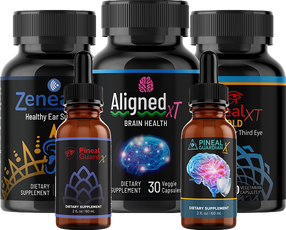
This is where formulations like Pineal Guardian X become relevant. Rather than juggling multiple bottles, a comprehensive formula delivers researched nutrients in optimal ratios.
Pineal Guardian X combines B vitamins, antioxidants, and complementary botanicals designed to support memory and cognitive function. It's formulated specifically for the challenges of age-related cognitive decline.

Natural compounds like Lion's Mane mushroom work through different mechanisms than vitamins. They stimulate nerve growth factor rather than simply correcting deficiencies.
The combination approach addresses brain health from multiple angles simultaneously.
The Pineal Connection
Your pineal gland, that tiny pinecone-shaped organ deep in your brain, relies on proper vitamin status for optimal function. It's more than just your sleep regulator.
B vitamins support the methylation processes that regulate pineal activity. Vitamin D receptors exist in pineal tissue, suggesting direct involvement in its rhythms.
Calcification of the pineal gland appears more common in people with vitamin K2 and magnesium deficiencies. These nutrients help direct calcium to appropriate tissues.
If you're focused on pineal health and overall cognitive function, ensuring adequate B vitamin and vitamin D levels creates a foundation. Then layer in targeted support like Pineal Guardian X for comprehensive brain protection.
Practical Considerations
Blood tests reveal your actual vitamin status more accurately than guessing. A comprehensive metabolic panel plus vitamin D testing provides useful baseline data.
This is especially important for B12, where deficiency can exist even with normal dietary intake due to absorption issues.
Timing matters for some vitamins. B vitamins energize many people, making morning doses preferable. Omega-3s can be taken any time with food.
Quality varies significantly between brands. Look for third-party testing certifications like USP or NSF when selecting supplements.
Food sources deserve priority over supplements when possible. Your body absorbs and utilizes vitamins from whole foods more efficiently.
What You Should Do
Consult your doctor before starting any supplement regimen, especially if you take medications. Some vitamins interact with prescription drugs.
Get tested first. Knowing your baseline prevents unnecessary supplementation and identifies actual deficiencies.
Start conservatively. Standard multivitamin doses match research protocols. Megadoses rarely outperform moderate amounts.
Give it time. Studies showing memory benefits tracked participants for months or years, not days or weeks.
Pay attention to your diet. Supplements work best as additions to healthy eating, not replacements for it.
Consider a comprehensive approach. Products like Pineal Guardian X combine researched nutrients specifically formulated for brain and memory support, simplifying your routine while addressing multiple pathways to cognitive health.
The Bottom Line
Vitamins can support memory function, particularly B vitamins, multivitamins, vitamin D, E, and Omega-3s in older adults. The evidence from the National Institutes of Health confirms meaningful benefits.
The research is strongest for those with deficiencies or borderline levels. But even people with adequate nutrition may experience protective effects against age-related decline.
Expecting vitamins alone to transform your memory sets unrealistic expectations. They're one piece of a larger puzzle including sleep, exercise, stress management, and mental stimulation.
But for many people, especially as we age, ensuring optimal vitamin status provides genuine cognitive support. The research backs this up with multiple large-scale trials.
Your brain deserves the nutritional building blocks it needs to function at its best. Sometimes that means supplementing what diet alone doesn't fully provide, whether through individual vitamins or comprehensive formulas designed for brain health.
Start with the basics, get tested, and build a foundation that supports your memory for years to come.