What Supplements Help Sleep and Memory?

The Sleep-Memory Connection You Can't Ignore
Your brain doesn't stop working while you sleep.
In fact, it's during those quiet hours that your mind consolidates memories, clears metabolic waste, and prepares for tomorrow's mental challenges.
When sleep suffers, memory suffers.
When memory falters, anxiety often disrupts sleep further.
It's a cycle that leaves millions feeling mentally foggy and physically exhausted.
The good news? Certain supplements address both sides of this equation simultaneously, supporting the delicate dance between restorative sleep and optimal cognitive function.
Magnesium: The Master Mineral for Mind and Sleep
Not all magnesium is created equal when it comes to brain health. Magnesium threonate stands apart because it actually crosses the blood-brain barrier, something most forms of magnesium cannot do.
Research published in neuroscience journals shows magnesium threonate improves synaptic density, the connections between brain cells that form the physical basis of memory. At the same time, it calms the nervous system by regulating neurotransmitters that control the stress response.
Magnesium glycinate offers similar sleep benefits with its calming effect on the nervous system. This form binds magnesium to glycine, an amino acid that itself promotes relaxation and deeper sleep phases.
Think of magnesium as the calm conductor of your brain's orchestra, helping every section play in harmony rather than competing for attention.
Adaptogens That Rebuild Resilience
Ashwagandha has earned its reputation as a cognitive and sleep ally through centuries of use and modern clinical validation. This adaptogenic herb reduces cortisol, the stress hormone that keeps minds racing at bedtime.
Studies demonstrate that ashwagandha supplementation improves both memory consolidation and sleep quality scores. Participants in clinical trials report falling asleep faster and experiencing fewer nighttime awakenings.
The mechanism works on multiple levels. Ashwagandha modulates GABA receptors, the same calming pathways that promote relaxation before sleep, while simultaneously supporting acetylcholine activity crucial for memory formation.
L-Theanine: The Focused Calm
Found naturally in green tea, L-theanine creates an unusual mental state: relaxed alertness. This unique profile makes it valuable for both daytime cognitive performance and nighttime sleep preparation.
L-theanine increases alpha brain wave activity, associated with wakeful relaxation rather than drowsiness. During the day, this supports focused attention without jitters. At night, it helps quiet the mental chatter that prevents sleep onset.
Research shows L-theanine improves sleep quality without causing next-day drowsiness. It enhances the deeper, more restorative phases of sleep where memory consolidation happens most effectively.
Phosphatidylserine: The Memory Molecule
Every cell membrane in your brain contains phosphatidylserine, a phospholipid essential for cellular communication. As we age, levels naturally decline, contributing to memory difficulties and cognitive decline.
Supplementing with phosphatidylserine in doses between 200-800 mg daily has shown consistent benefits for memory recall and cognitive processing speed. Studies indicate it's particularly effective for age-related memory concerns.
While primarily known for memory benefits, phosphatidylserine also helps regulate cortisol rhythms. Proper cortisol patterns mean higher levels in the morning for alertness and lower levels at night for quality sleep.
Ginkgo Biloba: Ancient Wisdom Meets Modern Science
Used in traditional medicine for thousands of years, Ginkgo biloba increases blood flow to the brain while offering antioxidant protection. This dual action supports memory and mental clarity.
The evidence for Ginkgo remains mixed in clinical studies, with some showing clear cognitive benefits and others showing modest effects. The quality and standardization of Ginkgo extracts varies widely between products.
What's interesting is Ginkgo's potential to reduce mental stress and anxiety, factors that directly interfere with both memory formation and sleep quality.
Melatonin: Beyond Just Sleep
Most people know melatonin as a sleep hormone, but emerging research reveals its broader neuroprotective properties.
Melatonin acts as a powerful antioxidant in brain tissue, protecting neurons from oxidative stress that impairs memory.
Small doses of melatonin, typically 0.5-3 mg, help regulate circadian rhythms for more consistent sleep-wake cycles. This regularity itself benefits memory because the brain thrives on predictable patterns.
Melatonin doesn't directly improve memory, but by enhancing sleep architecture, especially the REM and deep sleep stages, it creates the optimal conditions for memory consolidation to occur.
The B Vitamin Foundation
B vitamins, particularly B6, B9 (folate), and B12, form the metabolic foundation for neurotransmitter production. These vitamins support the synthesis of serotonin and melatonin, crucial for sleep regulation.
Deficiencies in B vitamins directly correlate with cognitive decline and poor sleep quality. Older adults and those following certain dietary patterns are at higher risk for B vitamin insufficiency.
Supplementing with B complex vitamins supports both immediate cognitive function and long-term brain health. The benefits build gradually as cellular processes normalize.
Omega-3s: Building Better Brains
DHA, one of the primary omega-3 fatty acids, comprises a significant portion of brain tissue structure. Adequate DHA levels support synaptic plasticity, the brain's ability to form and strengthen memory connections.
Research links higher omega-3 intake with better sleep quality, particularly deeper, more restorative sleep stages. The anti-inflammatory properties of omega-3s also protect brain cells from damage that impairs cognitive function.
Creating Your Supplement Strategy
The most effective approach combines several complementary supplements rather than relying on a single solution. Magnesium threonate provides foundational support for both sleep and cognition.
Add adaptogens like ashwagandha for stress resilience, and consider L-theanine for its unique relaxed-focus benefits. Phosphatidylserine targets memory specifically, while B vitamins and omega-3s offer broad-spectrum brain support.
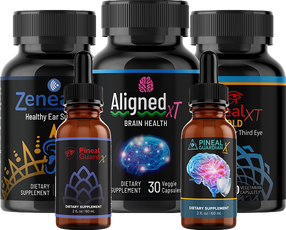
Rather than managing multiple supplement bottles, comprehensive formulations like Pineal Guardian X combine research-backed ingredients including Lion's Mane, Ginkgo biloba, Bacopa monnieri, and Spirulina. The addition of Boron and lemon-derived compounds addresses pineal gland calcification, which emerging research links to both sleep disruption and memory decline.

Timing matters. Sleep-promoting supplements work best taken 30-60 minutes before bedtime. Memory-supporting nutrients like phosphatidylserine and omega-3s integrate better when taken with meals.
Quality varies dramatically between supplement brands. Look for third-party testing, appropriate dosages backed by research, and forms of nutrients with proven bioavailability.
The Bigger Picture
Supplements enhance but don't replace foundational habits. Consistent sleep schedules, regular physical activity, stress management, and a nutrient-dense diet create the environment where supplements can truly shine.
Think of supplements as amplifiers of good habits rather than replacements for poor ones. A sleep supplement won't overcome chronic stress and late-night screen time, but it can optimize an already solid routine.
The brain possesses remarkable capacity for healing and optimization at any age.
Whether you're addressing current concerns or investing in long-term cognitive health, supporting both sleep and memory creates a powerful foundation for mental vitality.
Your journey toward sharper thinking and deeper sleep doesn't require complicated protocols or dozens of supplements.
Start with the fundamentals, add targeted support based on your specific needs, and give your brain the consistent nourishment it needs to thrive.