Why the Pineal Gland Matters More After 40

If you're over 40, you might notice subtle shifts: trouble falling asleep, waking up at 3 a.m., or brain fog that coffee just can't shake. We often blame stress or diet, but a tiny, pea-sized gland deep in your brain (the pineal gland) could be the key.
Dubbed the "Third Eye" for its light sensitivity, it acts as your circadian master clock. While it has always been important, its role amplifies after 40 as natural function begins to wane. Here is the science behind the shift and how to support it.
What Is the Pineal Gland?
This endocrine gland sits between the two hemispheres of your brain. Its primary job is converting serotonin into melatonin—the hormone that governs your sleep-wake cycles. It syncs your body to environmental light cycles, signaling when it is time to rest and when it is time to be active.
The Big Picture
To understand the importance quickly, remember that the pineal gland drives your circadian rhythms and hormonal balance. The main issue after 40 is age-related calcification… the buildup of calcium deposits known as "brain sand." This process leads to lower melatonin levels, which increases risks for insomnia, oxidative stress, and neurodegeneration. Fortunately, simple changes to light hygiene and diet can optimize the gland's remaining function.
Why It Matters More After 40
Midlife introduces a "perfect storm" for the pineal gland: calcification sets in, melatonin production dips, and the body's demand for antioxidants rises. This shifts the pineal gland from a steady background performer to a vital protector of your health.
The Growing Toll of Calcification
The pineal gland is prone to accumulating calcium phosphate crystals, a process known as calcification. This accumulation physically impairs the gland's ability to function. Studies show calcification is rare in children but affects more than 60% of adults, rising steadily after age 40.
As calcification increases, the volume of functional tissue in the gland decreases. This directly correlates with reduced melatonin output. While production begins to drop around age 35 or 40, the decline accelerates sharply thereafter, meaning a 40-year-old naturally produces significantly less melatonin than someone in their 20s.
Melatonin as an Anti-Aging Powerhouse
Melatonin is not just a sleep aid; it is a potent antioxidant that neutralizes free radicals and shields DNA. After 40, oxidative stress (cellular damage) surges, and melatonin acts as a primary defense mechanism. Low levels of melatonin remove this shield, heightening the risks for cellular aging, cancer, and heart issues.
The Hormonal and Immune Connection
The pineal gland works in tandem with the hypothalamus and pituitary gland to control the endocrine system. This connection becomes critical during perimenopause and andropause (male menopause). Poor sleep caused by low melatonin spikes cortisol (stress hormone). High cortisol worsens hormonal imbalances in sex hormones like estrogen, progesterone, and testosterone, creating a difficult feedback loop that amplifies symptoms like weight gain, fatigue, and mood swings.
Recognizing the Signs of Underperformance
Be on the lookout for specific signals that your circadian rhythm is struggling. You might experience fragmented sleep where you wake frequently or cannot fall back asleep. It is also common to feel morning grogginess despite getting a full night's rest. You may suffer from nighttime temperature swings, as melatonin helps lower body temperature to initiate sleep, or experience mood dips due to the close connection between melatonin and serotonin. While these symptoms are common, they are nonspecific, so it is always wise to see a doctor to rule out other causes.
How to Support Your Pineal Gland
While full "decalcification" of the gland isn't medically proven, you can significantly boost melatonin production and protect the remaining healthy tissue.
Optimize Your Light Exposure
Aim for 10 to 30 minutes of indirect sunlight immediately after waking. This cues your cortisol spike, which sets the timer for melatonin release 12 to 14 hours later. In the evening, block blue light from screens and LEDs. Consider wearing blue-light blocking glasses after sunset to prevent the gland from shutting down melatonin production.
Eat for Hormone Precursors
The gland needs specific nutrients to function. It requires tryptophan to make serotonin, which converts to melatonin. You can find this in turkey, pumpkin seeds, and spirulina. Additionally, magnesium-rich fats like almonds and walnuts support nerve function and hormonal synthesis.
Limit Fluoride Exposure
There is a debated link between fluoride accumulation and pineal calcification, as the gland can accumulate fluoride similarly to calcium. To minimize potential intake, use water filters that remove fluoride (like reverse osmosis) and consider fluoride-free toothpaste.
Supplement With Caution
If natural production is low, supplementation can help bridge the gap. Low-dose melatonin (0.5mg to 3mg sustained-release) mimics the body's natural pulse better than high doses. However, always consult a healthcare professional before starting a new supplement regimen.
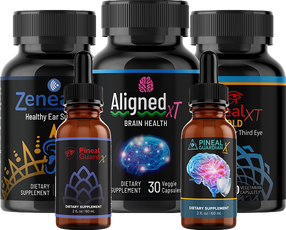
To address these age-related changes in pineal function, Nutraville developed Pineal Guardian X -- a natural brain wellness supplement formulated for pineal gland support. Read the full product announcement →

Final Thoughts
After 40, the goal of health maintenance shifts from "growth" to "protection." Your pineal gland is the guardian of your sleep and your cellular defense system. By nurturing it with proper light hygiene and nutrition, you can enjoy better sleep, sharper thinking, and greater resilience against aging.
Disclaimer: This blog post is for informational purposes only and does not constitute medical advice. Always consult a healthcare professional regarding health concerns or before making changes to your diet or supplement routine.
FAQ: Pineal Gland Health After 40
Q: Can the pineal gland stop working completely?
It is rare for the pineal gland to stop working entirely. Calcification typically impairs function and lowers melatonin output rather than halting it completely. This usually manifests as sleep issues rather than total gland failure.
Q: Does the pineal gland impact the immune system?
Yes, it does. Melatonin has significant anti-inflammatory effects and interacts with the immune system. As melatonin levels wane with age, the immune response can weaken, making the body more susceptible to illness.
Q: Is there a link between the pineal gland and Alzheimer's?
Research suggests a correlation. Low melatonin levels are often found in Alzheimer's patients. Because melatonin helps guard against amyloid plaques (a marker of the disease), maintaining pineal function may offer neuroprotection.